A mandatory bird flu housing order covering the whole of England started this week, and owners of dogs, cats and outdoor rabbits should know what it means for walks and gardens.
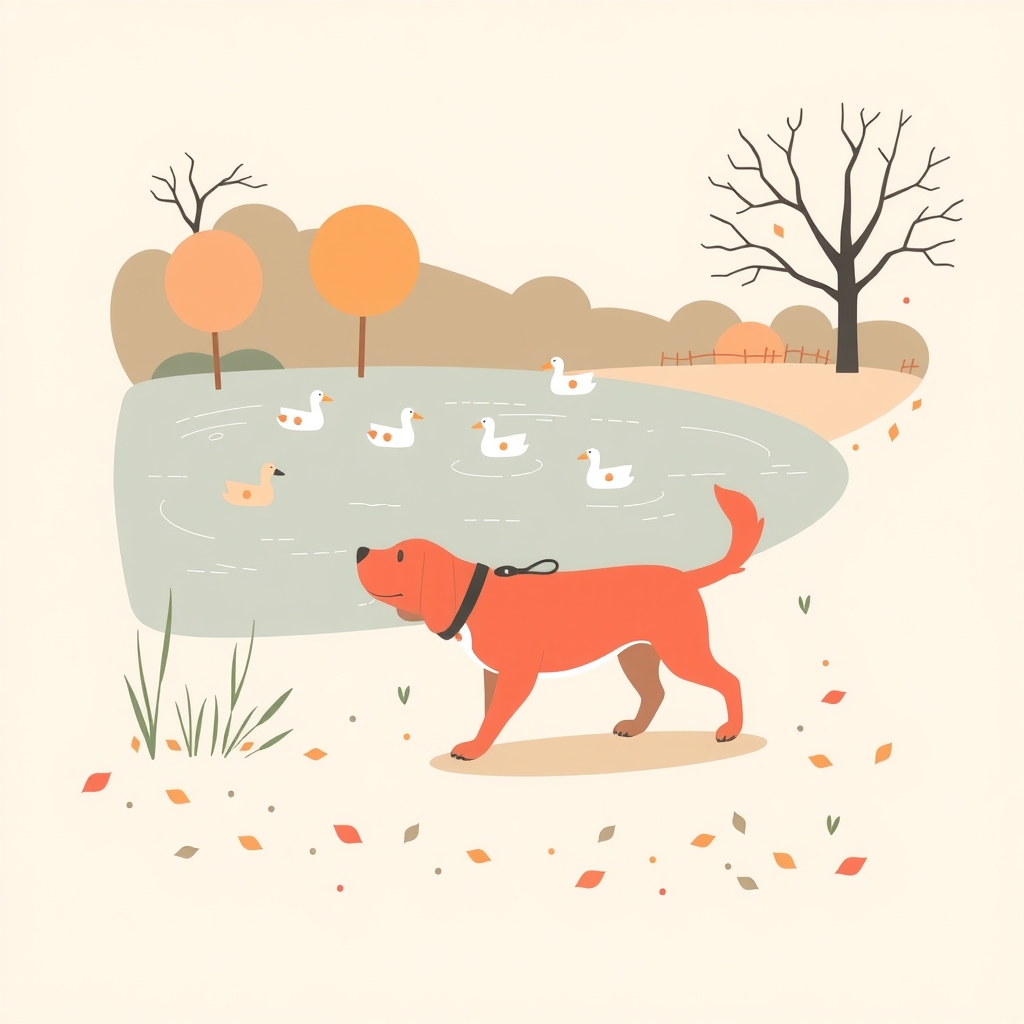
A mandatory housing order for poultry and captive birds has come into force across the whole of England, and while it is aimed at bird keepers, it is a useful reminder for anyone who walks a dog, lets a cat roam, or keeps rabbits outside this winter.
What changed this week
The order comes into effect from 00:01 on Friday, 13 November following the escalating number of confirmations of bird flu in kept and wild birds. According to government data there have been five cases reported so far in England and one in Scotland, and four of the five cases in England were declared in the last week alone. Alongside the housing order, an England wide Avian Influenza Prevention Zone with mandatory biosecurity measures has also been declared, coming into force immediately.
Does this affect dogs, cats and rabbits?
The rules are written for anyone who keeps birds, whether they have pet birds, commercial flocks or just a few birds in a backyard flock. It does not ban dog walks or stop cats going outside. But bird flu spreads through contact with infected birds and their droppings, so dogs should be kept away from dead or visibly sick wild birds, especially near lakes, rivers and coastal areas where wild waterfowl gather. Cats that hunt should be watched for any sudden illness after catching a bird. Outdoor rabbits kept in runs should have hutches covered where wild birds roost nearby, and food and water should not be left where wild birds can reach it.
What to do if you find a dead bird
Anyone who finds dead wild birds, particularly swans, geese, ducks or birds of prey, should report them rather than letting a pet near them. The UK's chief veterinary officer has urged bird keepers to remain alert for any signs of disease and to report suspected disease immediately to the Animal and Plant Health Agency.
Keepers of just a few garden hens must now follow the same biosecurity rules as large commercial farms.
The current risk to human health from avian influenza remains very low, but pets that come into close contact with infected birds can occasionally become unwell, so it is worth keeping dogs on leads near wild bird gatherings until the order is lifted.
This is general information. For advice about your own pet, call your vet.
Sources
- National Housing Order declared in England to protect against bird flu, The Grocer
- Mandatory housing order introduced across England as bird flu risk escalates, Poultry News
- England-wide bird flu housing order comes into force Friday, Brit Brief
Written with AI from the sources above and checked by a person before publishing.