PDSA's autumn advice on the seasonal hazards that can make dogs and cats ill, from conkers and fungi to antifreeze, which can kill a cat in small amounts.
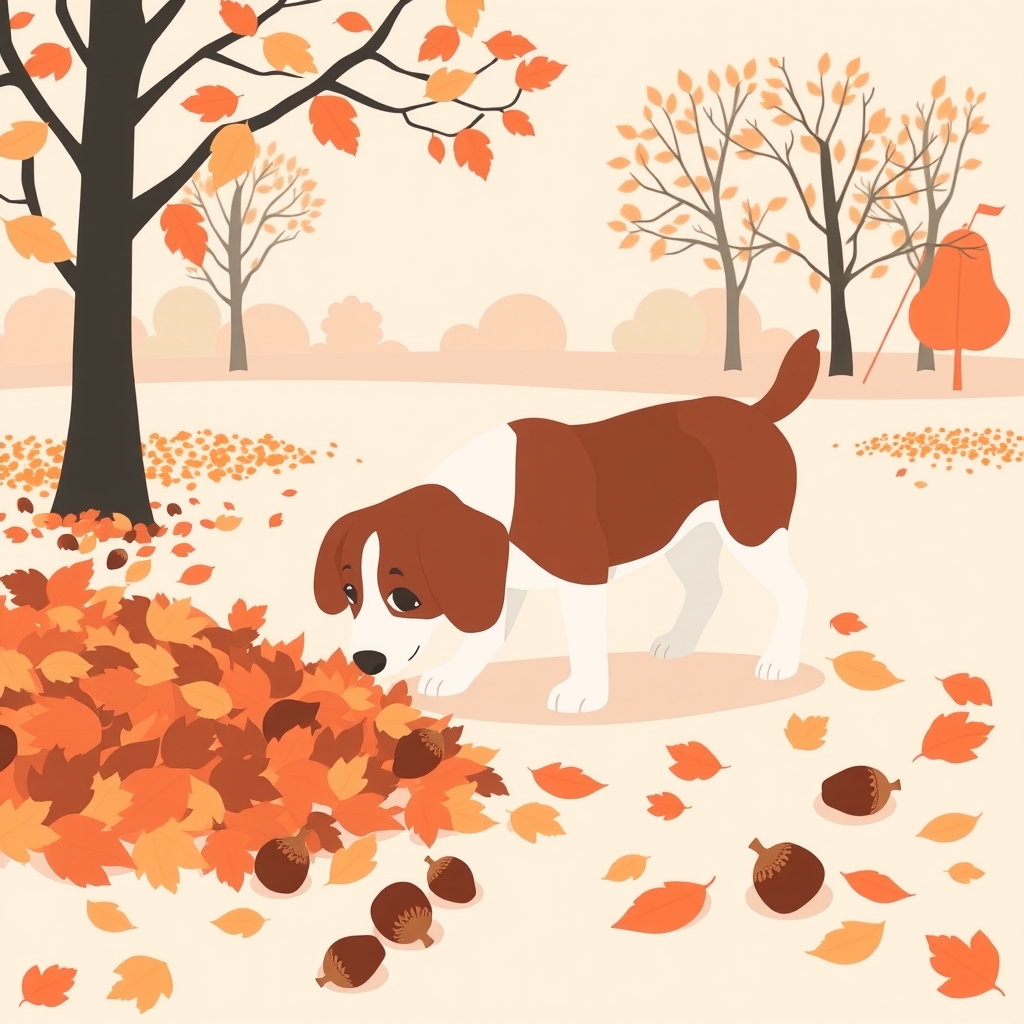
Autumn walks bring piles of leaves, conkers and acorns, and a few hidden dangers for pets. The vet charity PDSA has set out the seasonal risks owners should watch for. Most are easy to avoid once you know about them, but one, antifreeze, can be deadly for cats in tiny amounts.
On walks and in the garden
Conkers and acorns are toxic to dogs. PDSA says serious poisoning is rare, but they can cause stomach upsets, vomiting and blockages in the gut. Try to stop your dog picking them up on walks, and keep any you bring home out of reach.
Several plants that do well in autumn are also harmful to pets, including autumn crocus, chrysanthemum, holly, ivy, yew, hydrangea and horse chestnut. PDSA suggests checking your garden is pet safe before the season fully sets in.
Fungi are another risk. Not every mushroom is dangerous, but some are very toxic, and it is hard to tell them apart, so PDSA's advice is to keep pets away from all of them. If you see a blue green layer on a pond or lake, keep your dog out of the water: blue green algae is highly toxic and can quickly be fatal.
Antifreeze and cats
Antifreeze contains ethylene glycol, which causes severe kidney damage. PDSA warns that even a very small amount can poison a cat. Cats have been poisoned by drinking rainwater from containers that once held antifreeze.
Signs usually show within 30 minutes to 12 hours of drinking it. They include vomiting, wobbly or weak movement, low energy, changes in how often they wee, breathing problems, fits and collapse.
With antifreeze, never wait for signs: call your vet the moment you suspect it.
To keep cats safe, store antifreeze in sealed containers, clean up spills straight away, and get rid of old containers properly. Brands with a bitter taste added may help, but PDSA says they cannot be relied on.
Darker nights, fireworks and Halloween
With darker evenings, PDSA suggests a reflective or light up collar, harness or lead so you and your dog can be seen. Fireworks season can leave pets anxious and frightened, so set up a quiet den indoors and think about calming products. At Halloween, keep chocolate and trick or treat sweets well out of reach, as chocolate is highly toxic to pets.
If your pet does eat something it should not, your vet is the first call. Compare vet prices near you so you know what a consultation costs before you need one.
This is general information. For advice about your own pet, call your vet.
Sources
Written with AI from the sources above and checked by a person before publishing.